
The Instrument of Influence
By Max Hofer
Staff Writer
You don’t have to be a professional musician to recognize when a certain melody strikes a chord with you. For some listeners, however, it isn’t just the music that inspires, but who is striking that chord. For local musician Adam Schechter, it was renowned Japanese-American violinist Midori.
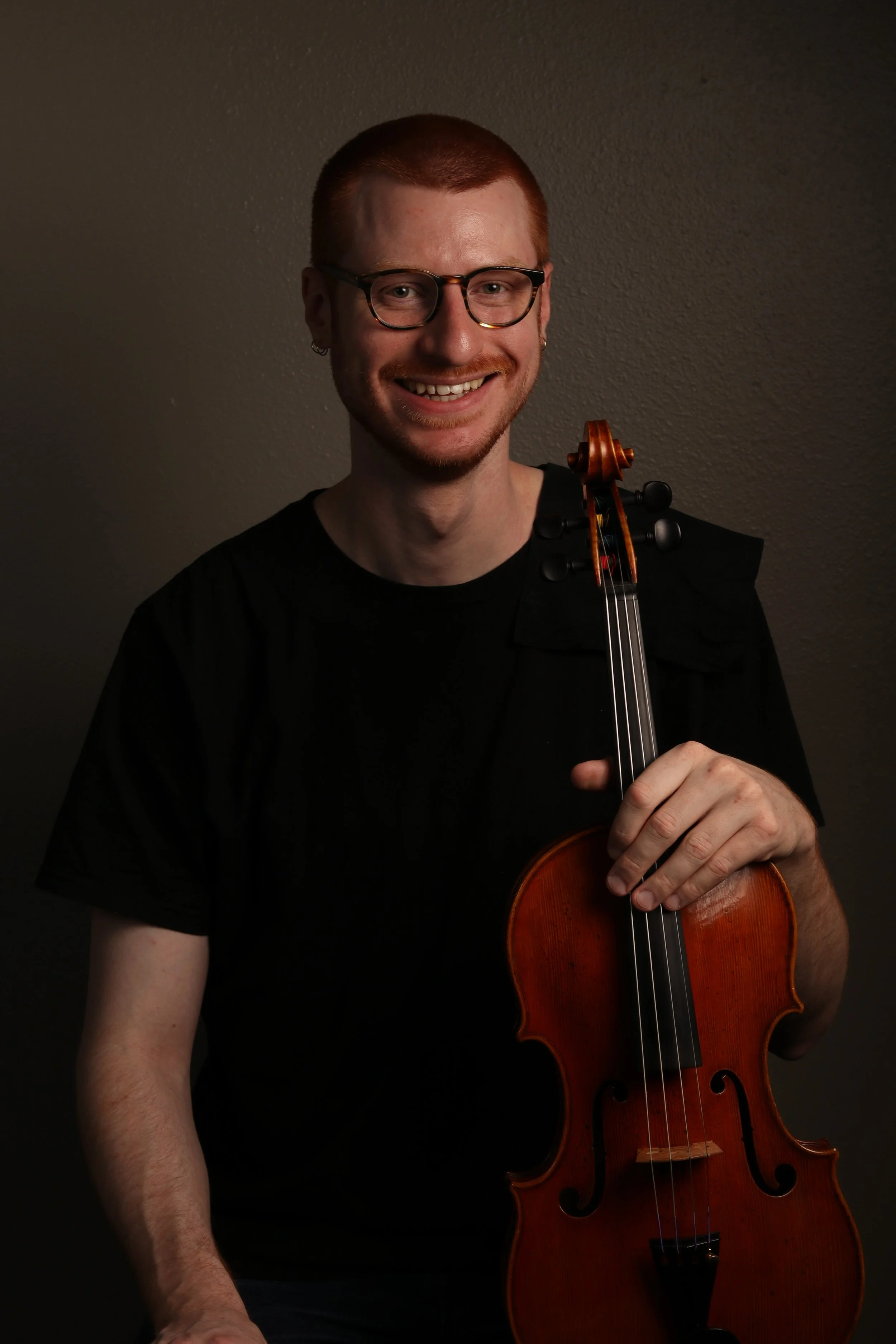
Adam Schechter
“She definitely started my love of classical music,” he said, recalling the first time he heard her play when he was 12 years old.
“She came to town to play with the youth orchestra here, and she was a big name,” Schechter said. “I was dazzled by the music that she played; I hadn't heard it before. It was Mendelssohn’s Violin Concerto. And listening to that, I thought, ‘Wow, this is really for me.’”
A year prior, Schechter had shown interest in the viola and began taking lessons. His curiosity, combined with Midori’s influence, struck a chord with the budding musician. “It all just kind of fed into itself.”
“I knew when I was in high school that I wanted to go into some kind of conservatory or music school,” the violist said. “I auditioned at various schools across the country, and I got into Indiana University; they offered me a generous scholarship.”
While his talents took him around the country, Schechter always kept his ear tuned to his hometown of Sioux Falls, S.D. During his time at Indiana, he heard the South Dakota Symphony Orchestra (SDSO) was in need of a substitute viola player for their annual performance of Handel’s Messiah.
“I sent a recording of my playing to the principal violist at the time, and he said, ‘Yeah, use him as a sub as much as we can,’” Schechter said. “Then, I flew back over Christmas break to Sioux Falls, and I played as a sub with the symphony. And I continued to do that every now and then when my school schedule would allow.”
Over the next few years, Shechter’s musical education would take him around North America. He attended the prestigious McGill University in Montreal, Quebec, and later studied at violin workshops in both Massachusetts and Vermont. In 2020, he moved back to South Dakota where he auditioned to be an official member of SDSO.
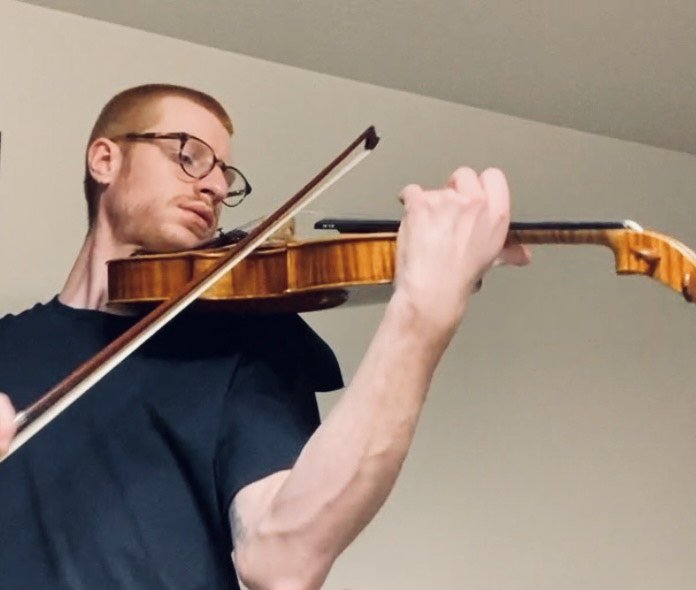
Submitted Photo
“They had a viola position open, and I thought of this as my chance to get more involved in the musical community that I care about,” he said. “I auditioned for the position, and they hired two people — and I was one of them.”
Playing with the orchestra has not only created exciting opportunities for Schechter, but it also brought him closer to his community.
“I'm really proud of the orchestra,” he said. “It means a lot to me to be able to participate in it. The symphony does a lot of work with the community and within the indigenous communities throughout the state. And I think, generally, it's this kind of watering hole; It's like a meeting spot for all these musicians who gig around the area. We get a lot of people from Minneapolis, Omaha, Oklahoma and all over. It feels like I'm a part of something that's growing and trying to, not only do better as an orchestra, but be better as an organization, and that's meaningful.”
In addition to playing with SDSO, he coaches for the organization’s chamber music program, as well as teaches viola lessons to aspiring, young musicians. For Schechter, making music isn’t just about playing, however — it’s about understanding the inner workings of the instruments and their history.
“It's such a nuanced, complicated work of art that we play,” he said. “It's not just a work of art that stands alone; it's a tool, as well.”
The curious musician finds inspiration in notable historical figures, such as Italian master and craftsman Antonio Stradivari.
“The quality of his workmanship is really just outstanding,” Schechter said. “If you look at it in comparison to things that were going on at the time, you can understand why these violins were so prized. They not only sound great, but his eye for proportion and detail… he has this eye for what makes something beautiful.”
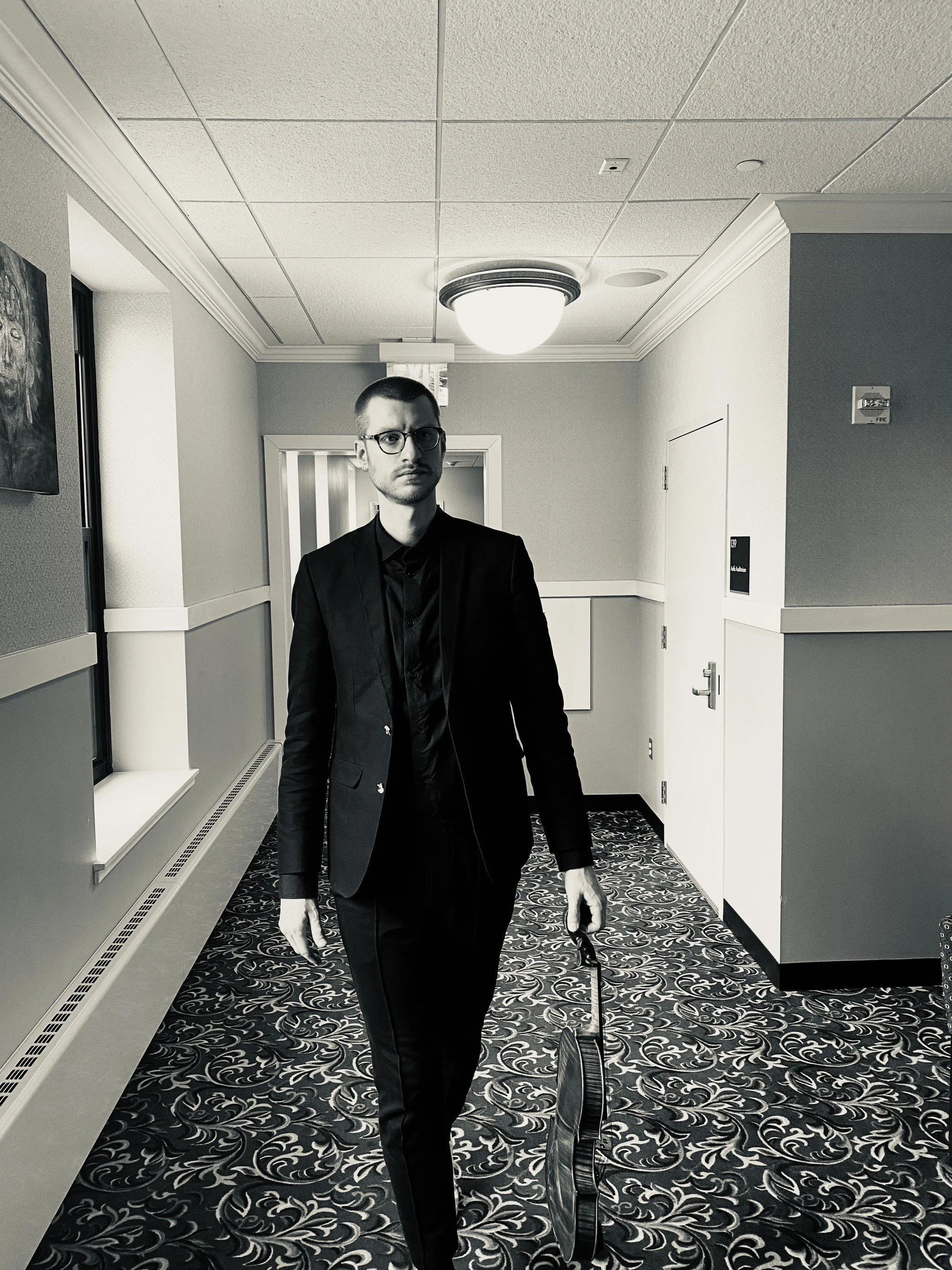
Submitted Photo
Schechter says he tries to apply a similar principal when crafting his own sound.
“I think, historically, I've fallen into the trap of trying to replicate what I'm hearing exactly because I find it so perfect,” he admitted. “But there's something to be said for taking what has been done and making it your own, you know? So, instead of trying to copy exactly what they're doing, you try to copy the spirit of their playing.
“The focus here is the music itself and the art of the music. My job is to communicate that as effectively as possible in a way that fits my ideas of what that means. It's not just a personal pursuit, it's communication. What we respond to now is very different from what people responded to in the 1940s, and so, to copy a way of playing that was used back then may not be the best for communicating with a modern audience.”
Techniques and melodies may evolve, but Schechter says that his predecessors’ influence continues to endure. You just have to listen closely.
“I feel it’s important for people to listen more than they speak,” he said. “The music isn't about you; It's not about you shining and showing your technique. It's about the music. You are part of something greater than yourself.
“I'm just really grateful for the mentors I've had in my life. Without them, I would be not where I am.”